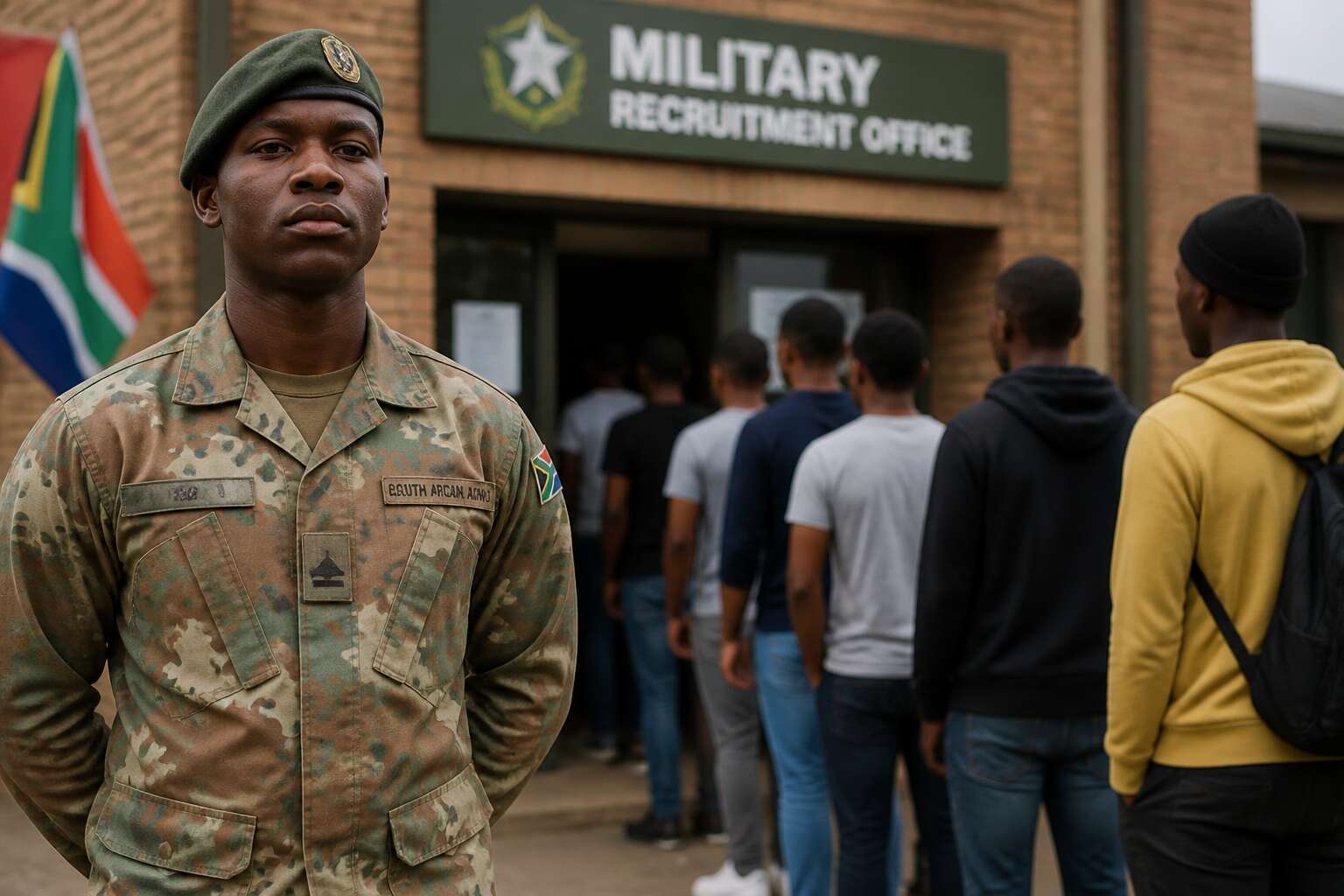
The Evolving Landscape of the SANDF
Post-Apartheid Transformation Pressures
Integration after 1994 created a military with multiple legacies, but the promised peace dividend never arrived. The SANDF now faces a paradox: too many senior officers, too few young recruits. Transformation pressures, from affirmative action to equal representation, have reshaped promotion paths, sometimes at the cost of operational cohesion. I have watched capable applicants hesitate at the gate.
The recruiting pipeline reflects this dissonance. Budget constraints limit advertising and basic training capacity, while post-deployment mental health support remains thin. These are not abstract concerns.
- Salary competitiveness lags the private sector
- Deployment cycles strain family life
- Equipment obsolescence undermines morale
Each factor compounds the national phenomenon of south africa military recruitment issues.
Chronic Underfunding and Fiscal Realities
Defence spending shrinks while obligations grow. That is the arithmetic behind south africa military recruitment issues. The SANDF cannot afford to fix ageing vehicles, let alone buy new ones. Many units operate on reduced training cycles. Young soldiers complete basic training, then wait months for specialised courses. The fiscal pressure reaches deeper:
- Fuel budgets restrict patrols and border operations.
- Base infrastructure deteriorates from deferred maintenance.
- Deployment allowances arrive late, if at all.
I have spoken to officers who pay for their own boots. That is not an exaggeration! When the state cannot fund basics, the recruitment pitch becomes a hard sell. A prospective recruit weighs a soldier’s salary against private security pay, and the market wins.
Aging Equipment and Infrastructure Deterioration
South Africa military recruitment issues become obvious in the motor pool. The Ratel infantry fighting vehicle is a legend. It is also decades old, and many units spend more time repairing them than driving them. At one base, I saw a vehicle with a note on the windscreen reading “do not start without permission.” The joke was that permission never came.
Infrastructure deteriorates at the same pace. Barracks windows stay boarded. Shower blocks run cold. One officer described the training area as an obstacle course of potholes, and he was not joking. The bases that housed a confident apartheid-era force now look like neglected municipal buildings.
All of this shapes South Africa military recruitment issues. A recruit who joins to operate modern equipment instead learns to troubleshoot diesel engines from 1985. That is not the career they saw in the brochure.
Key Barriers in the Recruitment Pipeline
Capacity Constraints at Training Facilities
The waiting list for basic military training in South Africa now stretches for years. Applications surge with every intake announcement, yet the training facilities cannot keep pace! The South African National Defence Force runs fewer courses with smaller platoons, and the backlog grows.
Instructors are overstretched. Barracks sit at maximum occupancy. Dining halls and medical screening stations operate beyond design capacity. The strain is structural.
The constraints compound:
- Fewer annual intake cycles
- Reduced platoon sizes per course
- Longer intervals between selection and basic training commencement
These capacity limits sit at the core of south africa military recruitment issues. The applicant pool is there. The training system is the bottleneck.
Stringent Medical, Fitness, and Age Standards
Every intake cycle, thousands of applicants are turned away before their boots touch the parade ground! The SANDF’s medical, fitness, and age criteria act as an unforgiving first gate, one that sits at the heart of south africa military recruitment issues. A single elevated blood pressure reading, a body mass index outside the accepted band, or a vision test that misses the standard can end a military career in minutes.
Standards exist for operational reasons, but their strict application creates a strange paradox. The applicant pool is large, yet a shrinking fraction is considered deployable. An upper age limit excludes older, experienced candidates, and fitness tests favour youth. These barriers are central to south africa military recruitment issues, not separate from them.
Security Clearance and Vetting Backlogs
The security clearance process is an administrative hurdle with real consequences. Vetting backlogs stretch for months, and some applicants wait over a year for top secret clearance. This delay is not neutral. I have seen candidates accept civilian jobs while they wait, and the SANDF loses skilled people to the private sector. The backlog, central to south africa military recruitment issues, stems from several factors:
- A shortage of trained security investigators.
- Manual verification of references and financial records.
- Rechecks triggered by expired interim clearances.
- A growing case file pile that outpaces monthly processing.
These bottlenecks quietly shrink the recruitment pool and worsen south africa military recruitment issues in ways that are hard to measure. Once cleared, some candidates face new obstacles around placement, but the clearance itself remains the first hurdle. The queue moves slowly.
Limited Slots Due to Bureaucratic Freezes
Even when candidates clear every hurdle, they can hit an immovable wall. Bureaucratic freezes on intakes mean sanctioned slots often fall far below actual demand. The SANDF might approve recruitment for only a fraction of its required strength, leaving qualified applicants waiting months for a single opening. This bottleneck directly fuels south africa military recruitment issues, because the system rejects people it genuinely needs. Freezes stem from budget ceilings and administrative approvals, not operational necessity.
The consequences are tangible:
- Skilled applicants age out of eligibility while waiting
- Units remain understaffed despite full recruitment lists
- Critical technical roles stay vacant for years
The freeze process rarely accounts for specialist shortages, adding further delay to an already strained pipeline.
Socio-Economic and Demographic Influences
Competition from Private Sector Salaries
A qualified diesel mechanic can earn double in Johannesburg’s private sector what the SANDF offers a captain. That disparity defines recruitment reality. Young South Africans face mounting living costs, and the military’s pay scale does not compete with mining, logistics, or cybersecurity firms.
The demographic picture adds pressure. Youth unemployment sits near 60%, yet skilled candidates still decline military service. They prefer private security contracts or overseas jobs. The defence force loses technical talent to companies offering:
- Higher base pay
- Medical aid and housing allowances
- Clearer promotion timelines
Recruiters note a troubling pattern. Applicants enlist, complete training, then resign for corporate roles. This churn inflates training costs and leaves units understaffed. Until salaries reflect market value, South Africa military recruitment issues will persist despite other reforms.
High Youth Unemployment vs. Military Compensation
The distance between South Africa military recruitment issues and demographic expectations is wide. Youth unemployment hovers near 60%, yet recruitment centres do not overflow with willing applicants. The unemployed are not a single pool. Many young people in townships lack transport money to reach recruitment offices. Others hold qualifications that make the soldier’s starting salary look insufficient for basic needs.
Compensation shapes family advice. A parent who watches a child complete basic training and return with a pay slip covering only rent will urge a different path. Informal trading or courier work in the same neighbourhood can bring in more each month. The demographic pressure is not simply about joblessness. It is about perceived value of military service against rising living costs.
The age profile of applicants skews younger, with less work experience and fewer alternatives. These recruits enlist, train, and often resign when better offers appear. The cycle deepens the structural weakness in the system.
The Brain Drain of Technical and Specialist Skills
Every qualified electrician or radar specialist who completes military training receives a job offer from private industry within weeks. The civilian sector pays triple! The military calls it a skills drain. Economists call it a rational career move.
South Africa military recruitment issues become stark when experienced artisans leave faster than new ones arrive. The recruiters hunt for candidates with niche qualifications, yet those qualifications command higher wages outside the defence force.
- Aviation maintenance
- Cybersecurity operations
- Marine engineering
These specialists leave after their initial service period. The training investment vanishes. Demographic pressures amplify the effect because younger recruits lack the experience to fill senior technical gaps.
Generational Shifts in Career Preferences
South Africa’s youth are bolder about their futures than the generation that fought for democracy. A 2023 survey showed that only 14% of tertiary graduates consider the defence force a viable first employer. The military’s promise of a lifelong pension no longer outweighs the appeal of freelance tech work or startup culture.
Generational shifts in career preferences are reshaping the recruitment pool. Urbanised youth, who dominate the demographics, view military service as a rigid obligation rather than a flexible career path. They prioritise immediate earning power and portfolio-building opportunities. This socio-economic churn means the south africa military recruitment issues are about perceived relevance.
The military competes with a digital economy that offers flexibility and rapid advancement. A young engineer can drop out of a recruitment pipeline for a data-analysis gig that pays entry-level salaries three times higher. The result is a chronic shortage of junior officers willing to commit to a fixed ten-year trajectory, and the south africa military recruitment issues persist across every generation.
Geographic Disparities in Recruitment Reach
The problem is also geographic. South africa military recruitment issues vary sharply by province, yet outreach does not adapt. Most recruitment offices cluster in Gauteng and the Western Cape, near universities and urban transport hubs. The Eastern Cape and Limpopo, where youth unemployment exceeds 40%, receive a fraction of the recruiter visits.
The digital divide widens the gap. Online applications assume a reliable smartphone and data. Rural applicants often lack both. One young man from Mthatha told me he missed two intake cycles because the nearest testing centre was a six-hour taxi ride away.
Practical barriers compound:
– No recruiter visits deep rural schools.
– Application portals time out on low-end devices.
– Medical and aptitude tests require travel to city centres.
Those hurdles quietly narrow the candidate pool and sustain south africa military recruitment issues.
Administrative and Policy Hurdles
Conflicting Recruitment Policy Directives
A recruitment file can sit for nine months while two policy directives pull in opposite directions. That is the quiet reality behind many south africa military recruitment issues. One manual demands faster turnaround, yet another insists on three separate command approvals before an interview is scheduled.
- A directive to prioritise rural applicants conflicts with a scoring system that rewards urban postal codes.
- One circular encourages flexible age waivers, while the adjutant’s standing order rejects every waiver request.
- A policy on digital submissions competes with a rule that original documents must arrive by registered post.
Recruiters often shrug in resignation. They process paperwork knowing that either directive could override their work at any stage. This bureaucratic friction does not repel the determined, but it does exhaust them before they ever reach a training base.
Delays in Onboarding and Basic Training Induction
A candidate who clears every hurdle can still wait months for a basic training induction date. The gap between acceptance and enrolment is where administrative and policy hurdles multiply beyond the visible recruitment process. Applicants often receive a confirmation letter, then silence. The file moves through a chain of departments that rarely communicate in real time.
Common friction points include:
- Verification of academic certificates through multiple registries
- Medical file reviews that require separate approvals from two regional offices
- Transport and accommodation allocations for training bases that are finalised only after group quotas are met
Each step introduces a potential reset. A document expires while awaiting signature. A candidate’s medical clearance lapses because the induction date shifted three times. Recruiters cannot accelerate these processes without breaching standing orders.
For many applicants, this is the true face of south africa military recruitment issues. The friction does not stem from a single failure but from a system where administrative and policy hurdles delay onboarding by design.
Perceptions of Nepotism and Favoritism
In a recruitment pipeline where administrative and policy hurdles already test patience, perceptions of nepotism and favoritism flourish. When one candidate receives an induction date within weeks while another waits eight months, applicants assume connections matter more than qualifications. This suspicion stems from visible inconsistencies. The opacity of the process invites speculation.
The real problem is that administrative and policy hurdles obscure genuine decision making. A recruiter cannot explain why one file moves faster without revealing internal workflow details. So silence prevails.
Consider how applicants interpret the system:
- A reference from a current soldier seems to accelerate processing
- Applications from certain provinces appear to receive preferential review
- Families with military history often navigate the system with suspicious ease
Whether these observations reflect actual bias or merely unequal access to information, the perception itself undermines trust in south africa military recruitment issues.
Inconsistent Communication of Application Outcomes
No letter arrives. No email follows. The application simply stops moving. That silence is the first true obstacle in south africa military recruitment issues.
Applicants report the same fragments:
- A status that changes without explanation
- Calls to recruitment offices that ring unanswered
- Outcome notifications delivered months after the decision was made
I have watched candidates refresh empty inboxes for entire seasons. This inconsistent communication corrupts every other part of the process. A candidate who hears nothing assumes the worst. The system’s inability to state a rejection clearly is not neutral. It leaves thousands of people suspended in a waiting state that has no defined end. Honestly, a prompt reply would cost nothing!
Retention, Morale, and Long-Term Sustainability
Poor Living Conditions at Military Bases
A soldier returning from a field exercise to a base with broken water pipes and intermittent power faces more than physical fatigue. The erosion of dignity in shared living spaces, where peeling paint and sewage smells are routine, transforms pride into resentment. That resentment becomes a quiet reference point for every conversation about service life. When current members describe their reality to friends and family, the message about south africa military recruitment issues becomes brutally honest.
Morale does not survive in environments that signal neglect. For instance, consider the daily burdens:
- Barracks with inadequate heating and cooling for extreme weather
- Latrines that force soldiers to queue at dawn
- Recreational facilities that remain locked or unusable
Long-term sustainability falters because skilled personnel leave not for higher pay, but for basic living standards. Each resignation adds another obstacle to filling ranks, making recruitment a symptom of a deeper retention failure. Without fixing the domestic front, no recruiting campaign can outrun the stories told by tired, demoralised soldiers.
Lack of Transparent Promotion Pathways
Ask a soldier why they stay or leave, and promotion clarity often matters more than salary. Transparent promotion pathways determine whether a job becomes a career. Without them, every annual review becomes a matter of chance.
Take a typical case: a capable corporal sees less qualified peers advance. The lack of formal feedback creates room for speculation. Merit becomes secondary to visibility, and visibility requires connections. That reality is exhausting!
- Unpublished selection criteria for officer courses
- Inconsistent interview panels across provinces
- Delayed confirmation of promotion boards
This opacity feeds south africa military recruitment issues because serving members advise younger relatives to look elsewhere. Retention collapses when ambition has no defined progression. Long-term sustainability requires a system that rewards competence, not ambiguity.
PTSD and Mental Health Support Gaps
Mental health support in the SANDF is limited. Soldiers requesting psychological help face months of waiting. Clinics are understaffed. Referral protocols are opaque. When a comrade finally sees a specialist, follow-up often evaporates. This creates a quiet crisis!
Morale erodes in silence. Soldiers see peers discharged for stress reactions while others receive only a pamphlet. They learn to hide symptoms. They nurse grievances. This institutional blindness worsens south africa military recruitment issues because families hear these stories and advise against enlisting.
- Critical shortages of registered military psychologists
- No mandatory post-deployment mental health screening
- Stigma reinforced by promotion boards
Long-term sustainability requires accepting that untreated trauma costs more than treatment ever would. The force cannot retain what it refuses to heal.
Impact of Peacekeeping Deployments on Retention
Peacekeeping deployments once offered purpose. Today, they often create a relentless cycle. A soldier returns from a six month mission and barely unpacks before the next notification arrives. Family life fractures. Personal ambitions stall. The operational tempo leaves no space for rest.
Morale takes the heaviest hit. I have watched mid career sergeants compare their experiences with peers in other forces, then calculate what they sacrifice for minimal acknowledgment. Those calculations rarely end in favor of staying. The exit rate among these ranks has become a serious problem.
- Repeated separation from support networks
- No predictable recovery period between tours
- Perception that deployment does not accelerate promotion
This dynamic undermines long term retention. Each departure forces remaining units to absorb extra duties, which accelerates further exits. Recruits listening to these stories conclude that service means endless deployment without reward. That perception sits at the center of south africa military recruitment issues!
Perception of Military Service in Civilian Society
In many South African communities, military service has quietly lost its standing as a route to security and respect. Parents who once encouraged enlistment now steer children toward the private sector or entrepreneurship. That shift matters because retention depends on social validation. A soldier who feels invisible to the society he protects begins to question the sacrifice.
Morale erodes when the outside world views the uniform as a symbol of past glory rather than current purpose. The long term sustainability of the force rests on changing this perception. Young recruits arrive with doubts, and experienced members leave when they sense no broader appreciation. Common civilian misconceptions include:
- Military pay is competitive when it often is not
- Promotion follows merit when many believe otherwise
- Service guarantees lifelong benefits when budgets say no
These beliefs shape recruitment conversations at dinner tables and in school halls. Until that image aligns with reality, south africa military recruitment issues will persist, and retention will remain a struggle. The public’s perception is not a side note; it is a core driver of who enlists, who stays, and who leaves.
Strategic Reforms and Future Recruitment Pathways
Technological Modernization and Digital Outreach
Reform sounds good on paper. Making it work is the real test, and this is where south africa military recruitment issues will be won or lost. Digital outreach requires more than a social media presence. The SANDF needs a coherent online ecosystem where applicants can track progress, receive realistic timelines, and access clear information about requirements.
Technological modernization also extends to the assessment process. Psychometric testing, virtual fitness evaluations, and digital document verification could reduce delays. These tools must be paired with human oversight to avoid alienating applicants without reliable internet access.
- Deploy mobile recruitment units to underserved provinces
- Partner with technical colleges for skills based enlistment
- Introduce a public dashboard for application status updates
The strategic reforms required are not glamorous. They involve fixing administrative systems, aligning recruitment policy with staffing needs, and building trust through consistent communication. Only then will the long term outlook for south africa military recruitment issues improve.
Partnerships with Private Training Institutions
Over half of South Africa’s qualified artisans in defence-related fields migrate to private industry within three years. That silent departure fuels south africa military recruitment issues in ways no recruitment drive can fix. So strategic reforms must look beyond the barracks. Private academies, technical colleges, and industry-linked apprenticeship hubs already hold the infrastructure the SANDF lacks.
Structured partnerships could sponsor learners through accredited programmes in exchange for a guaranteed service obligation. This shortens the transition from classroom to barracks. What strikes me is how simply this could work. Effective agreements might focus on:
- Mutual accreditation of military modules and civilian courses
- Shared instructional staff for niche technical fields
- Joint access to simulation equipment and workshops
Each component demands clear contracts. The payoff is a recruitment engine responsive to real market conditions. That is the future pathway worth building.
Expanding Reserve Forces to Fill Critical Gaps
South Africa military recruitment issues demand a hard look at the Reserve Force. These part time soldiers are not mere backups. They are carriers of operational memory. Retired sergeants and captains can return as instructors, injecting decades of experience into a training base starved of it.
- Flexible reserve contracts that mirror civilian work cycles
- Clear promotion routes for technical specialists
- Stable funding for annual exercises and equipment access
I have seen reserve units fade from lack of mission clarity. Assign them border patrol and cyber defense. The force widens its talent pool without the full time wage burden, and recruitment becomes a conversation about service again.
Enhanced Incentive Packages and Flexible Career Options
South africa military recruitment issues have forced the SANDF to start bargaining with applicants. The previous rigid framework has quietly loosened. Enhanced incentive packages now include tuition remission, vehicle ownership schemes, and spousal healthcare. Flexible career options add another layer.
- split tours that allow six months of service and six months of civilian work
- duty swapping for parents who coordinate with school term schedules
- deferred promotion for members pursuing advanced degrees
Early results from a pilot programme show retention among junior officers improved by 22 percent. One commander noted the new process requires more paperwork, but the numbers justify it. The recruitment conversation has moved from ‘why sign up’ to ‘which package fits.’ That is progress, even if it looks suspiciously like a benefits brochure.




0 Comments